

The top 10 most famous film scores of all time
New post
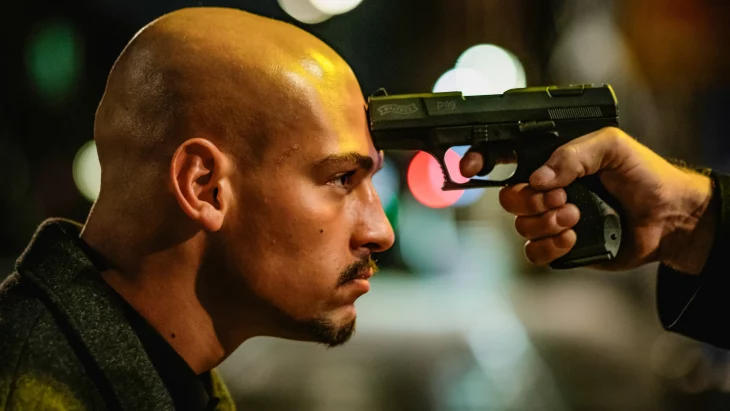
If you have made it in the world of music and generated a real myth around your person, then that is virtually the ultimate crowning achievement. With hip-hop and rap in particular, almost everything revolves around presenting a character who embodies the principle of authenticity—especially in gangsta rap. Hardly any other artist in the German-speaking scene has made such mythological waves as the rapper and entrepreneur Xatar from Bonn. Behind the moniker is Giwar Hajabi—the performer's real name. On December 15, 2009, he was demonstrably involved in an insane gold heist near Ludwigsburg, which to this day causes question marks over heads.
By loading the video, you accept YouTube's privacy policy.
Silence is golden - and it is precisely this silence that is broken a little by Hamburg cult director Fatih Akin with his film Rheingold. A film that spectacularly stages the dramatic life of Xatar. Normally Fatih Akin shoots at home in Hamburg, but this film tells a story that spans half the globe. That's why—in addition to Germany—the film was shot in the Netherlands, Morocco, and Mexico. The young rising actor Emilio Sakraya takes the title role.
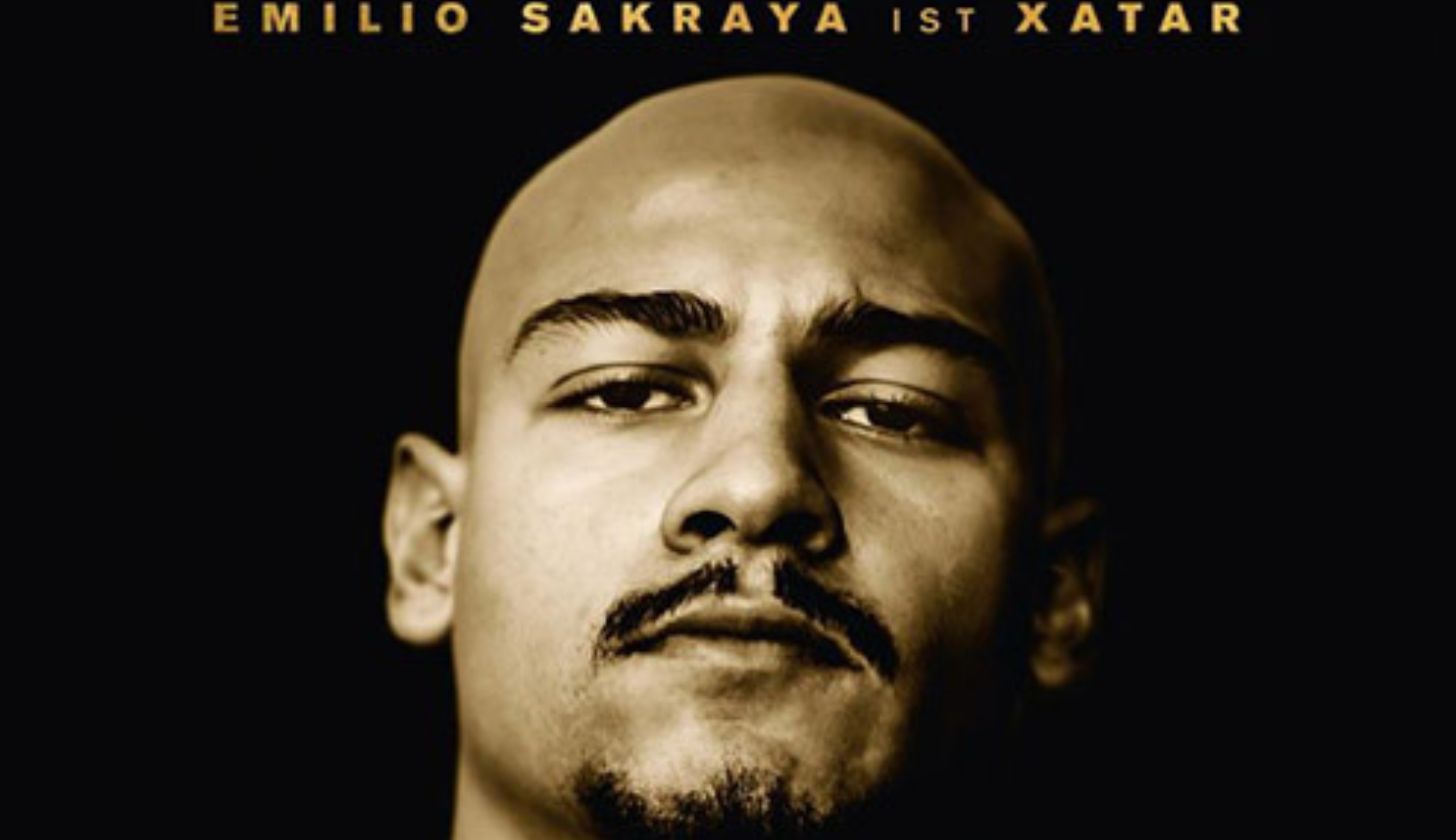
The plot of the film Rheingold begins in a Syrian prison, a year after the incredible robbery of a gold transporter. Here Xatar is threatened with a lot of inhumane torture, which he endures, for his silence is not broken. Viewers are hit with an immediate anxiety-inducing intensity right from the get-go. The inmates are so crammed together and dehumanized that it makes you feel claustrophobic and uncomfortable while watching. The entirety of the prison sequences were actually shot in Berlin, where a lot of Arab extras could be rounded up in a very short time according to Fatih Akin.
Shortly thereafter, there is a time jump that takes a closer look at Xatar's parents and their revolutionary ideas in their homeland. His father Eghbal Hajabi was a music professor and renowned composer in his native Iran. Fatih Akin succeeded in obtaining original scores by the musician and reproducing them faithfully in the finished film. Meanwhile, Rheingold illustrates the combative nature of Xatar's mother, who gave birth to him under the most difficult conditions within warlike conflicts.

After starting out in France, the small family, including the younger sister, moves to the former German capital, Bonn, in the mid-1980s. The father pursues his profession as a conductor, only to have an affair within a very short time and leave the family behind for his new happiness. Thus, young Giwar first learns to loathe his genetic, musical talent, and immediately goes more and more astray. Soon he still finds a foothold in martial arts and gradually transforms into his alter ego, Xatar.
By loading the audio player, you accept Spotify's privacy policy.
Through Kurdish family ties, he moves to Amsterdam as a young adult. There he makes a name for himself as a bouncer for sketchy nightclubs. There he additionally sells hard narcotics in large quantities and gets involved in increasingly violent conflicts, as he has become part of the Kurdish mafia. One day, however, several hundred thousand euros slip through the fingers of him and his colleagues, and the money must be recovered quickly, or he will face the wrath of the organization. A gold heist could bring the scales back into balance.
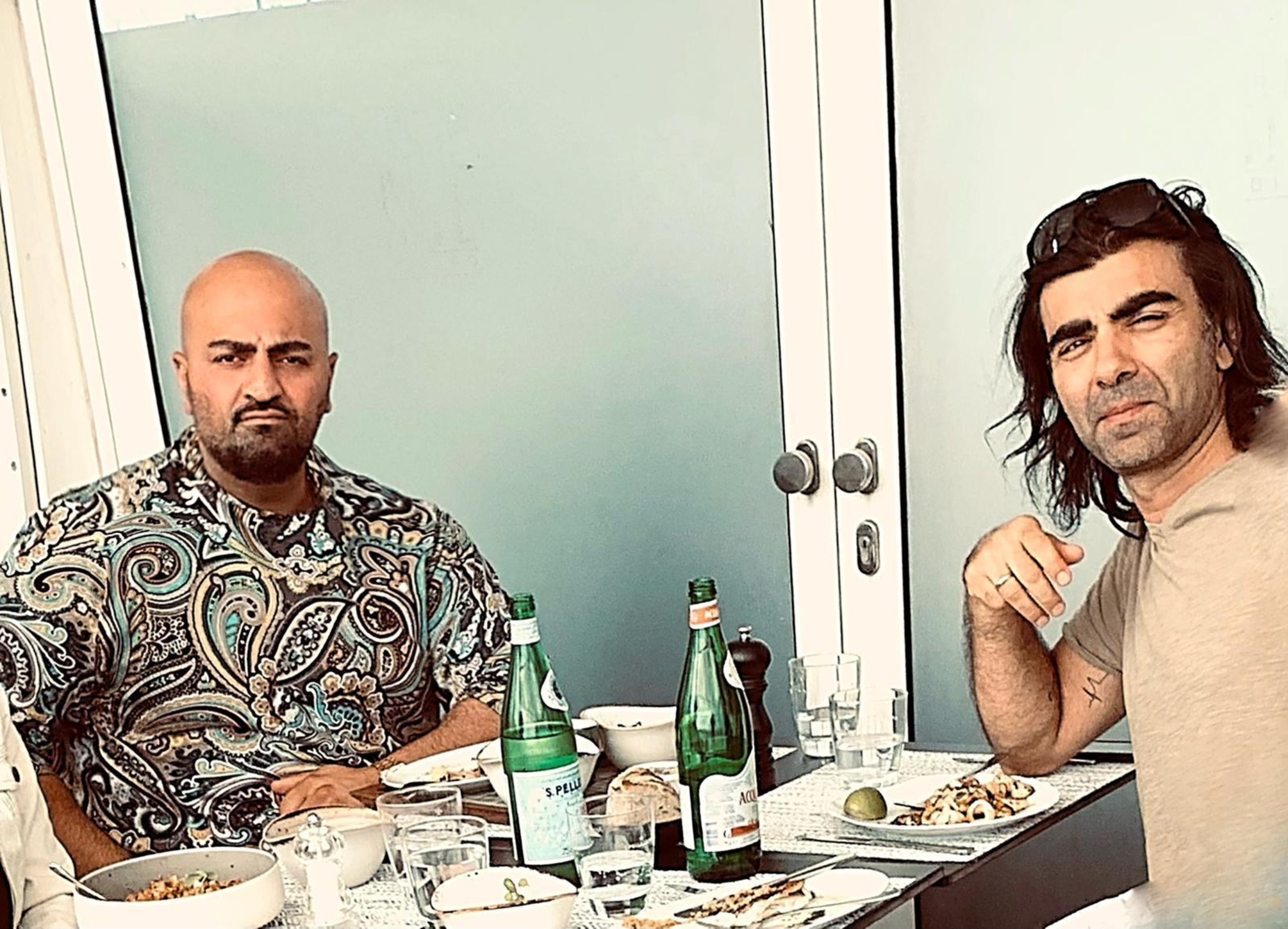
Through his collaboration with Xatar, who was always actively involved behind the scenes—especially as a dialogue coach—Fatih Akin succeeded in staging the film Rheingold like an opera. Various acts of the epic are included and a mythological connection is made to Rheingold from the classical period. The character Xatar is drawn in a very human way. Even people who are not well-disposed to the music of the Bonn rapper will see him in a whole new light after seeing the film. Xatar as a word, by the way, comes from Kurdish and translated means "danger"—a warning to all those who would be hostile toward him.
After being increasingly ripped off as a teenager and taking a beating at his worst, Xatar started training hard to become a physical threat. This imposing appearance gave him his stage name. One particular scene in the film, which highlights the course of Xatar's revenge on his bullies, is staged as dynamically and kinetically—a style familiar to fans of contemporary Korean productions. The robbery of the gold transporter, on the other hand, is handled with a heavy dose of laconic humor and captivates with its zany situational comedy.

Ultimately, the question remains: What is the musical aspect of the film like? The focus of the Hamburg filmmaker is clearly on the monumental efforts that people are facing. People who are building a new life in one of the richest countries in the world. This can also be observed in his previous works. A real signature of the auteur director. Only in the last third, after Xatar arrives in a German prison, does the focus change to the musical character Xatar. After he is visited by his estranged father, Xatar begins to obtain recording equipment through smuggling. Fast forward then to the process of producing Xatar's first album "Alles oder Nix" ("All or Nothing"), which makes for some interesting imagery.
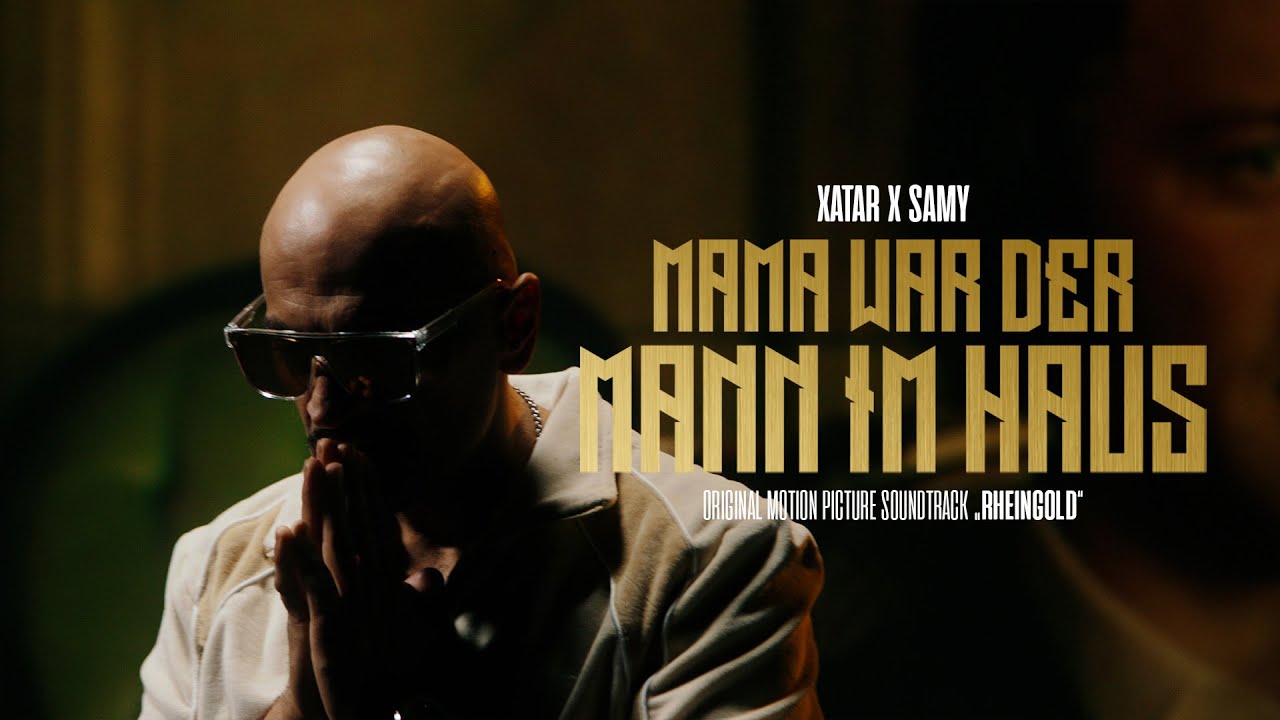
By loading the video, you accept YouTube's privacy policy.
In the end, even a prison guard wants a signed copy for his son. We see the first moment Xatar holds his album in his own hands. The power of music can literally move mountains and is a beautiful final plea for the film and Xatar's eventful life. The inclusion of Richard Wagner's "Rheingold" gives the film an additional positive connotation. Wagner was an avowed racist and anti-Semite, which was no deviation from social norms during his lifetime. Now Akin helped himself to his impressive musical oeuvre. To reverse Wagner's ideology and actively use it to make a statement against xenophobia of any kind is brilliant. Xatar himself could not have described it more aptly: Fatih Akin has managed to make Xatar an inseparable part of German mythology.
Did the article on Rheingold pick you up? Then check out other articles on great films about music and musicians. For example, Jim Jarmusch's groovy documentary about the legendary punk pioneers, The Stooges, "Gimme Danger. Or probably the darkest music documentary, Until The Light Takes Us, which is covered in detail here. If you're more interested in the handmade, don't be shy and check out our instrumentology category. More features on artists* and bands can also be found on our blog. Music brings people together and that's exactly the goal of mukken.com - be part of it!
Ursprünglich veröffentlicht am 1. February 2023 aktualisiert am 3. February 2023
Originally published on February 1, 2023, updated on February 3, 2023

The top 10 most famous film scores of all time
13. December 2023

Sufjan Stevens – So You Are Tired
22. November 2023

Sheet music apps - how to digitize and transfer sheet music!
15. November 2023

P!nk: All I Know So Far
06. November 2023

Searching for Sugar Man - The moving artist biography of Sixto Rodriguez
01. November 2023

By loading the audio player, you accept Spotify's privacy policy.