




The top 10 most famous film scores of all time
New post

One of the most fascinating and versatile ensembles that still plays a central role in our musical world today is the symphony orchestra. It is all the more gratifying that dedicated musicians continue to master the various instruments that work together in an orchestra. In order to understand the diversity and function of the various orchestral instruments, it is worthwhile to learn about the different timbres and possibilities. But which instruments belong to a symphony orchestra, how did they develop, and what is the secret of their harmonious interplay?
A successful and professional symphony orchestra is characterized by the harmonious cooperation of the various instrument groups. Factors such as precision, dynamics, interplay and artistic interpretation play a decisive role. In a well-coordinated orchestra, the individual instruments complement each other, creating an impressive sound experience for the audience. But it is usually quite a lot of work to make the orchestra successful.

The ability of the musicians to work as a unit and to play in harmony with each other is crucial to the success of a symphony orchestra. Intonation within a movement—a group of instruments—is the greatest challenge in many pieces, because even the untrained audience hears impurities and vibrations of tones.
A successful orchestra finds the right balance between the individual instrument groups and ensures that each part contributes to the overall sound. Each instrument has been given different functions in music over time. In the beginning, wind instruments were only present for background music and had no soloistic passages. Therefore, the balance and proper differentiation of sounds must be observed in order to reflect the composer's idea.
Professional orchestras are characterized by precision in rhythm, intonation and articulation. Thus, they produce a wide range of dynamics and genuine expression.
Successful symphony orchestras have a clear vision of the artistic design and interpretation of the musical works they perform in the field. In order to unify the interpretative thoughts of the artists, there are the conductors. They communicate their ideas, which should then be adopted by all, in order to achieve an ideal result.
The playing quality of the individual musicians is crucial for the success of an orchestra. This is the ideal way to pursue the artistic goals of the ensemble.
Good conductors are able to lead and inspire the orchestra effectively. Accurate preparation of works and outstanding leadership of rehearsals are necessary for the success of any orchestra.

No other ensemble is as large and yet perfectly coordinated as the symphony orchestra. Strings, woodwinds, brass, and percussion instruments are represented, and their interplay creates a musically high-quality and impressive-sounding combination. For certain works, a choir is also integrated into the orchestra, so that, for example, the world-famous 9th Symphony by Ludwig van Beethoven can be played. While the style and orientation are variable, the performers always remain the same. Depending on the work and its era, however, the number of musicians in an instrumental group often varies, and in older pieces instruments such as the trombone or the tuba are not yet represented. The following instruments can be found in the symphony orchestra in partly flexible numbers and lead to modern playing:
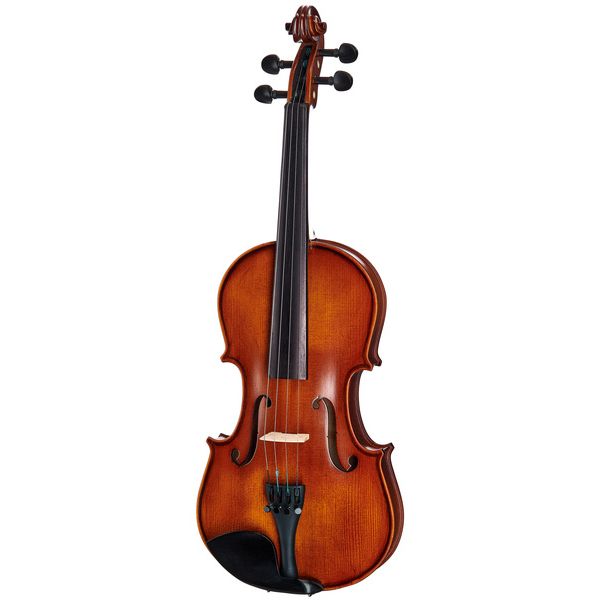
30 violins: The violins are the largest group of string instruments in the orchestra and are divided into two groups - the 16 first violins and the 14 second violins. They often play the highest melodies and contribute significantly to the overall sound of the symphony orchestra.
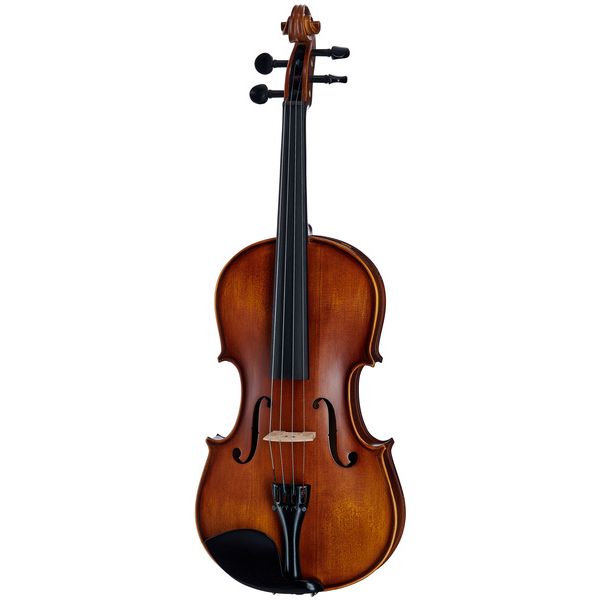
12 violas: The violas have a slightly deeper sound than the violins and often play harmonic accompaniments or inner voices. Their role in the orchestra is versatile. They complement the melodies of the violins and the bass lines of the cellos and double basses.
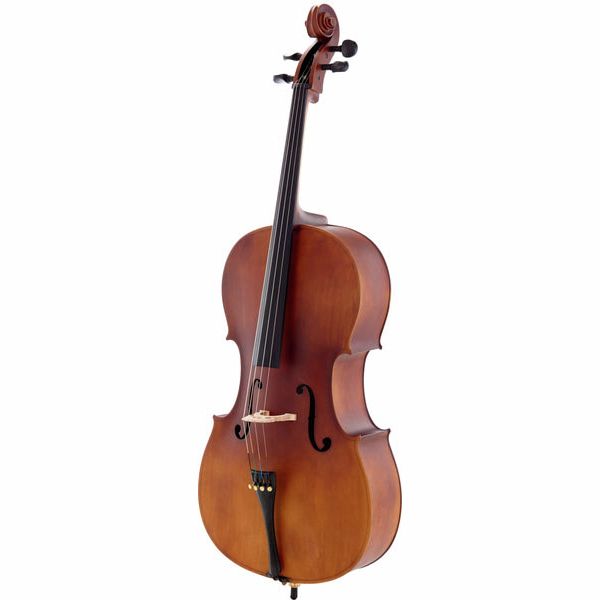
10 violoncellos (cellos): The cellos are larger than the violins and violas and have an even deeper sound. Specifically, they often take on the role of the bass line in the string sections and contribute to the sonority as well as the intensity of the ensemble with their warm, full tones.
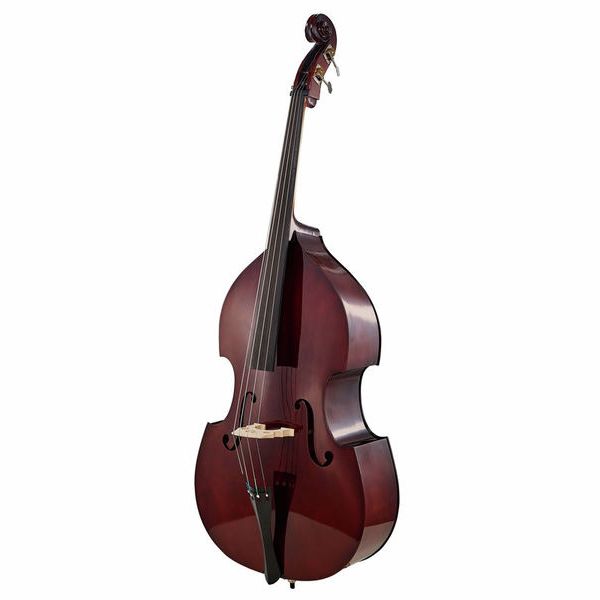
8 Contrabasses (also called Double Basses): Contrabasses are the largest and deepest instrument in the string family. They form the foundation of the orchestra and provide rhythmic stability and support for all the instruments to fill out the sound.
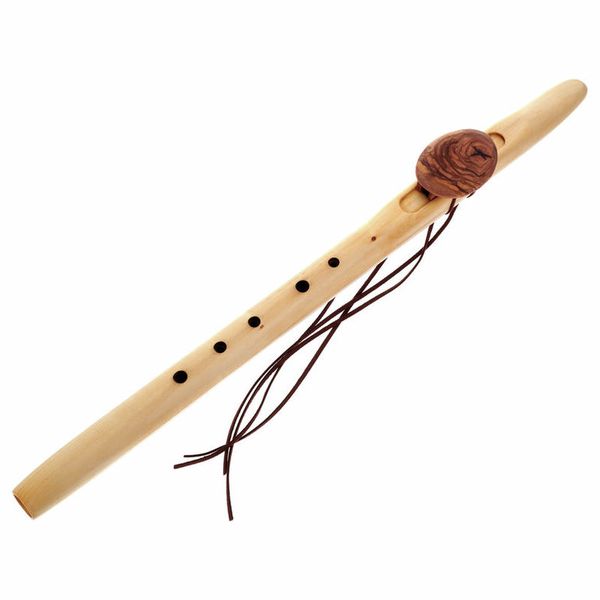
2-4 flutes: The flute is the highest woodwind instrument in the symphony orchestra and can take various forms, such as piccolo or alto flute. It lends a brilliant and airy quality to the orchestral sound, which can be clearly heard in the process.

2-4 Oboes: The oboe has a penetrating and characteristic sound that lends itself well to expressive solo passages. It is a double-reed instrument that is often scored in pairs. English horns, the oboe's deeper-sounding relatives, are also represented.
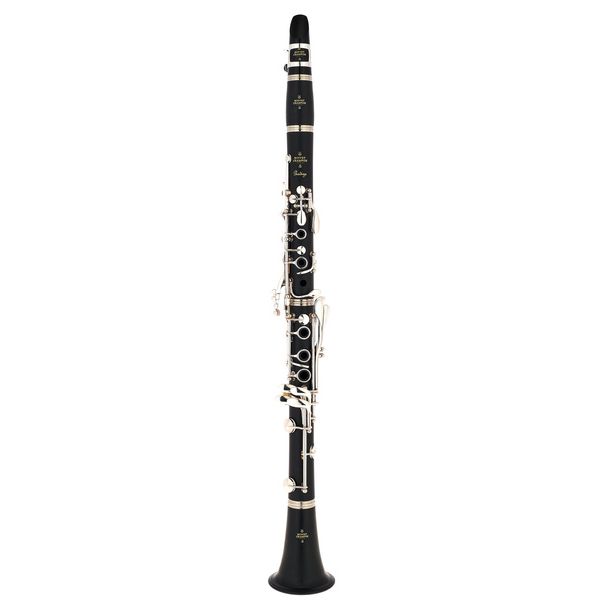
2-4 clarinets: The clarinet has a mellow, warm sound and comes in a variety of sizes and pitches, such as the E-flat clarinet, the B-flat clarinet, and the bass clarinet. It is a single reed instrument and is used for lyrical and melodic passages.
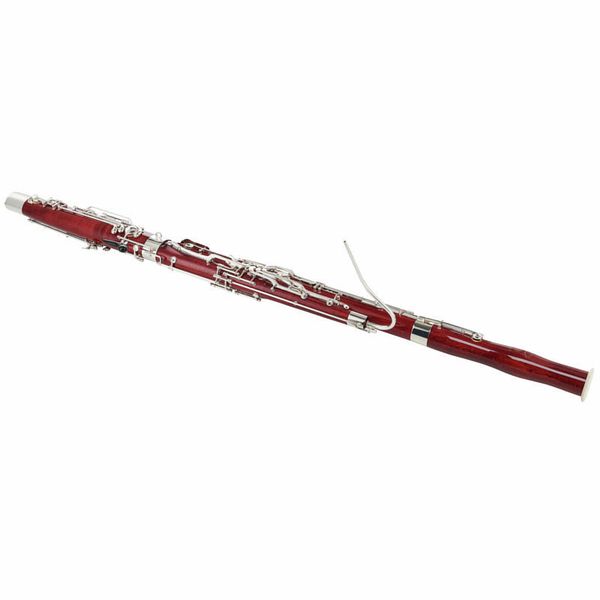
2-4 Bassoons: The bassoon is a double-reed instrument with a deep, full sound. It often plays in the bass line of the woodwinds and is known for its versatile timbre and strong character. The low contrabassoon may also appear in the symphony orchestra.
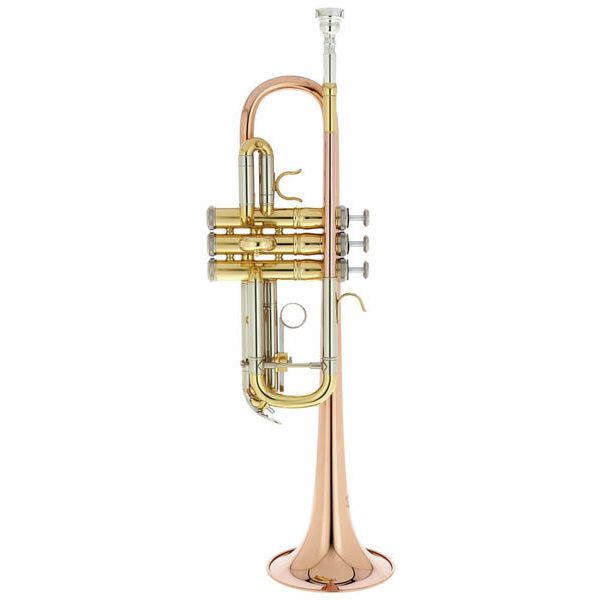
6 trumpets: The trumpet is the highest brass instrument in the orchestra and has a brilliant, sharp sound. It is often used for fanfare-like passages or lyrical melodies. Different pitches of the trumpet are often represented in the orchestra.
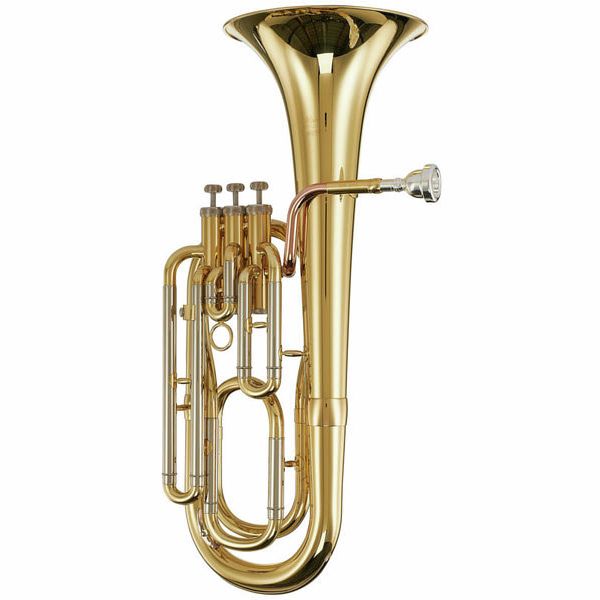
8 Horns: The horn, also called French horn, has a warm, velvety sound and is known for its great flexibility and expressiveness. Horns are often used in groups, playing both melodies and harmonic accompaniments.
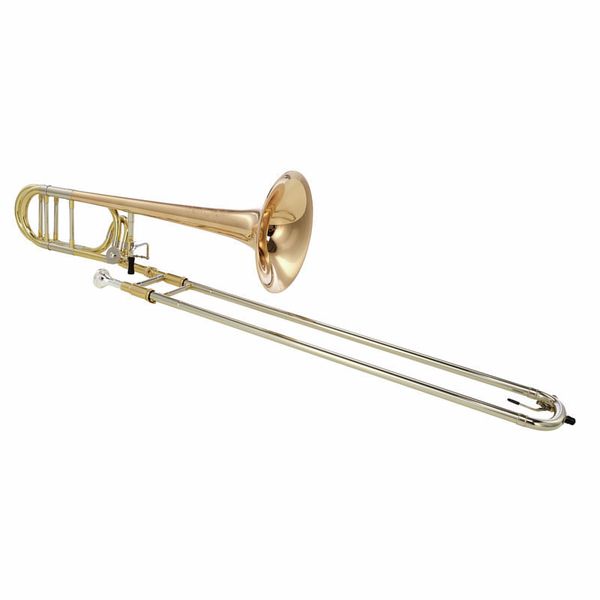
4 Trombones: The trombone is a low brass instrument known for its powerful and majestic sounds. It is often used in triples, consisting of two tenor trombones and one bass trombone, and are thus the foundation of the orchestra.
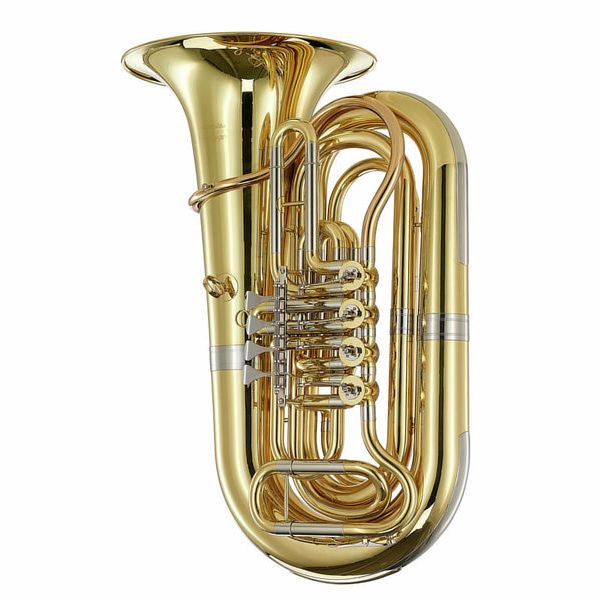
3 Tubas: The tuba is the deepest and largest brass instrument in the orchestra and provides the bass sound of the brass section. It supports the lower registers of the strings and woodwinds and gives the orchestra a full and rich sound that we are used to.
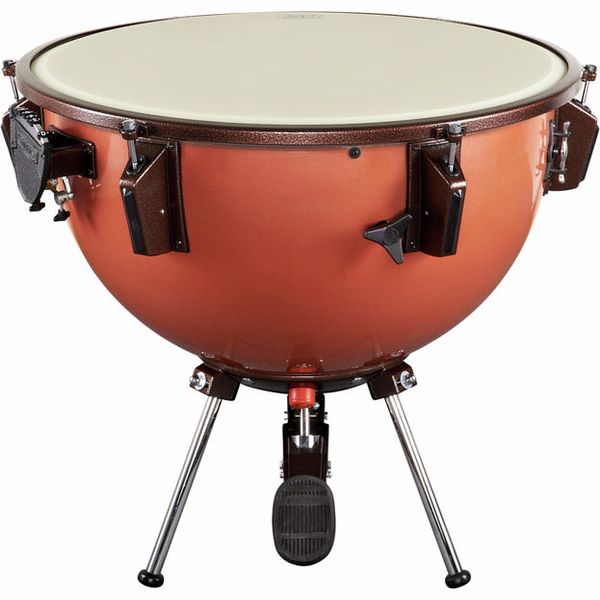
Timpani: Timpani are among the oldest percussion instruments and provide a rhythmic keynote to the orchestra. They are usually used in pairs and can be tuned with foot pedals. In this way, the strength of the sound can be influenced.
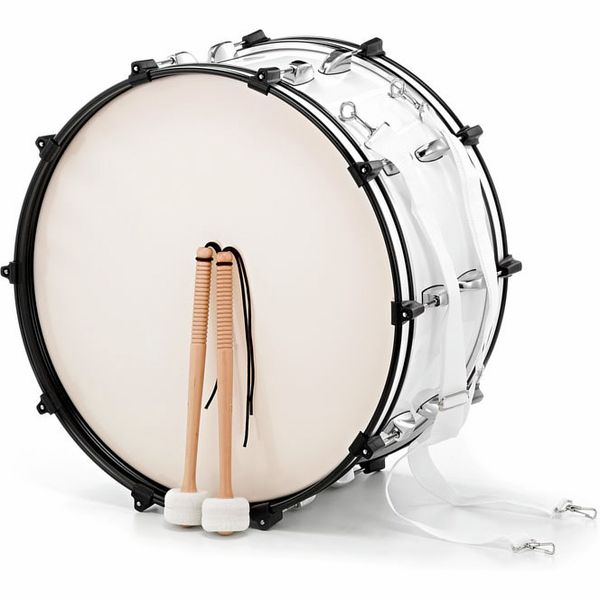
Bass drum: The bass drum gives the orchestra a powerful sound base. It is often used in the loud passages to further enhance the effect of the music.
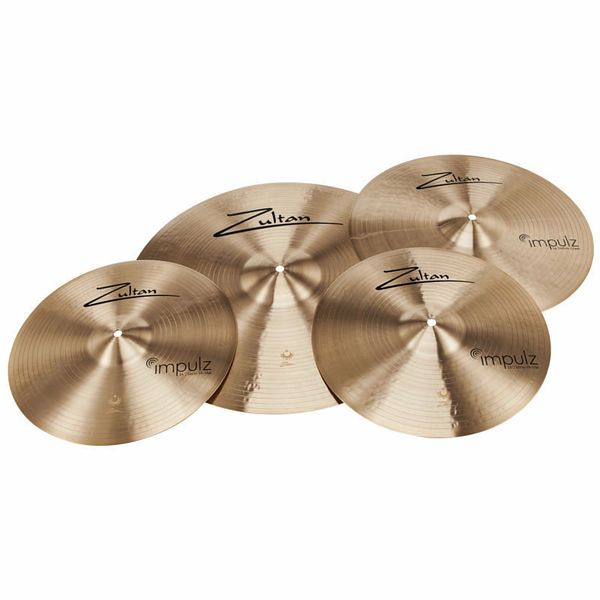
Cymbals: Cymbals are a complement to the bass drum and are often used together. They can be used in different sizes and thicknesses to create multiple timbres. They are also ideal in the large symphony orchestra.
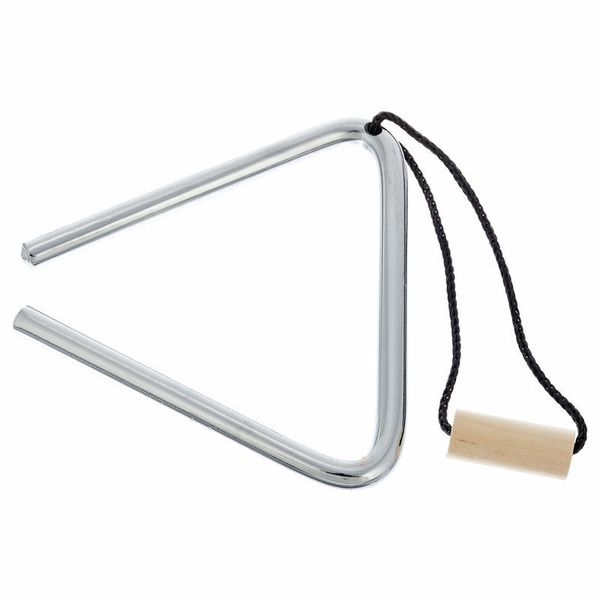
Triangle: The triangle is often used as part of the percussion ensemble and serves as a sound marker in music. It consists of the triangular stick, attached to the metal plate.
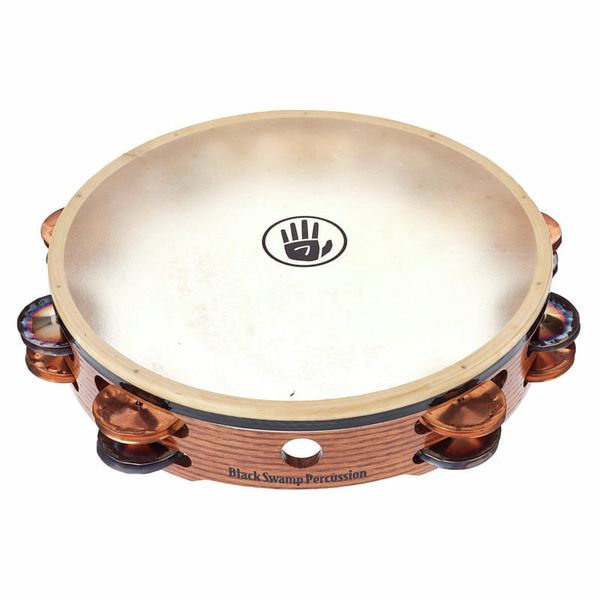
Tambourine: The tambourine is a small handheld percussion instrument often used in dance music. It consists of a flat, round drum studded with jingles. Here, too, the piercing sound is usually a real trademark.
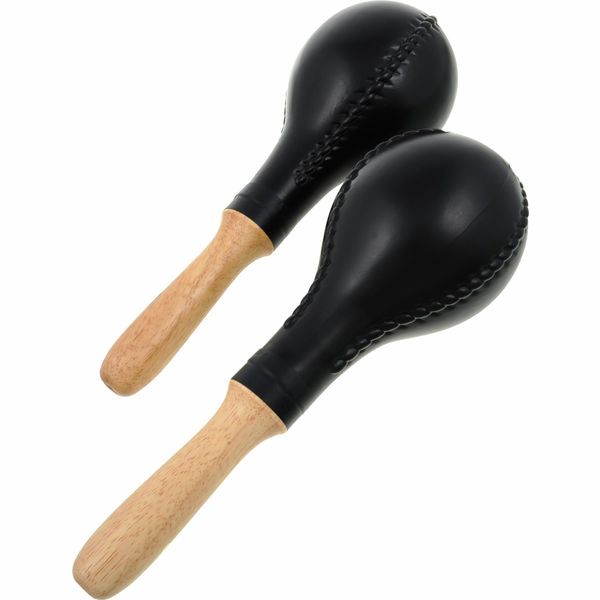
Maracas: The maracas are a pair of small rattles often used in Latin American music. They consist of a hollow gourd filled with balls or seeds.
Piano: The piano is a central instrument in the symphony orchestra and is often used as a solo instrument. It has a wide range of timbres and can produce both soft and powerful tones. The same applies to the concert grand piano, which is also popular.
Harpsichord: The harpsichord is a historical keyboard instrument that played an important role in Baroque music. It has an impressive as well as characteristic timbre and is often used as an accompanying instrument. Compared to the piano, it often remains somewhat more discreet.
Organ: The organ is a very versatile keyboard instrument that can produce an enormous range of sounds. It is used in both church music and concert music and has a long tradition. Feel free to read more about the organ directly in our new article.
In the symphony orchestra, modern instruments such as the synthesizer and guitars—including electric guitars—have found their place alongside classical instruments. The synthesizer can make a special contribution to the orchestra's tonal variety through its diverse sounds and tones, while guitars and electric guitars can be used in specific styles such as rock, pop and jazz. Choirs are also often an important part of symphony orchestras and can add an additional layer to the very diverse orchestral sound through their voices.
Conductors are of enormous importance for a successful symphony orchestra. They help to ensure that all musicians play in harmony. Conductors set the pace and determine the tempo and dynamics of the music. He or she has not only the notes and the technical implementation in mind, but also the interpretation and the emotions that should be expressed in the music. In this way, conductors are able to inspire the orchestra.
However, conductors also play an important communicative role in the symphony orchestra. They coordinate the cooperation between the different instrumental groups and thus contribute to an enormous sound quality. The responsible conductors must keep both technical and personal aspects in mind in order to form the sound into a unity.
Hardly any orchestra has the task of bringing together a comparable number of instruments and musical styles into a single unit. For this reason, symphony orchestras are rare and extremely respected. If you are interested in playing in an orchestra, you will need a lot of practice. Feel free to use our contact ads for musicians, which are available to you here at mukken, and find the right orchestra group for you. This way you will not only be inspired by your own music, but also by many experts from all over the world to play in a symphony orchestra yourself.

Ursprünglich veröffentlicht am 16. April 2023 aktualisiert am 4. September 2023
Main topic: Belting - a singing technique with two medal sides
Originally published on April 16, 2023, updated on September 4, 2023
Main topic: Belting - a singing technique with two medal sides

The top 10 most famous film scores of all time
13. December 2023

Sufjan Stevens – So You Are Tired
22. November 2023

Sheet music apps - how to digitize and transfer sheet music!
15. November 2023

P!nk: All I Know So Far
06. November 2023

Searching for Sugar Man - The moving artist biography of Sixto Rodriguez
01. November 2023

By loading the audio player, you accept Spotify's privacy policy.


